

The Bones of “Danger Close” and “What Now?”
“Fo be honest, was surprised fo see Panch li’dat.”
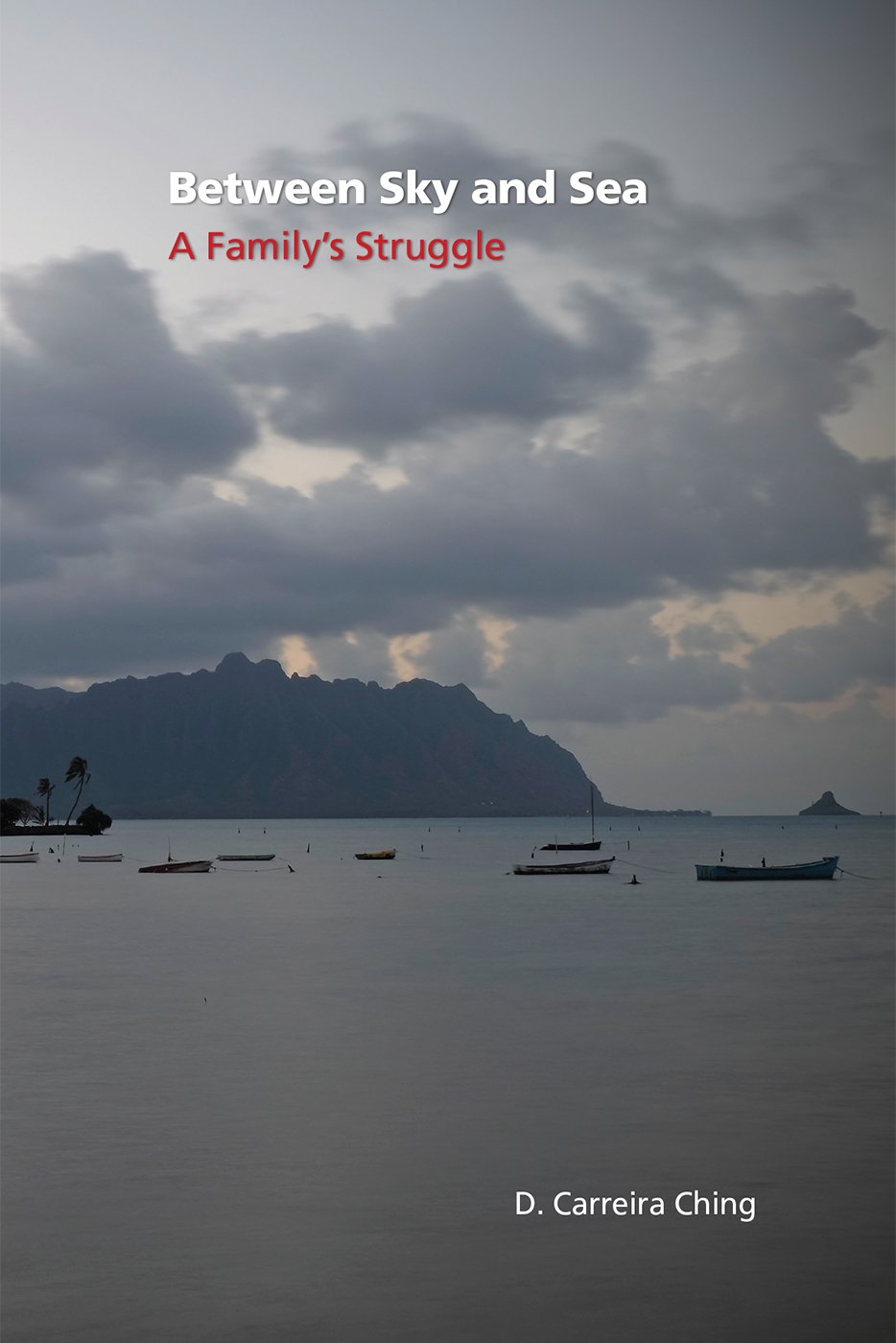
The short story is the perfect form, allowing for the kind of precision and attention (and intention) to detail that rewards the reader with every reading. I started out as a short story writer and always dreamed of publishing a collection; before it got to Darrell and Eric, Between Sky and Sea began as a collection of linked stories.
However, short story collections aren’t the most marketable books, so after publishing Between, I focused on publishing my stories individually and working on other projects, including a climate-fiction novel I finished last year.
Then, in 2020, I got an email from Zack Linmark and began work on “Danger Close,” and that got me thinking about putting together a collection again.
Inspired by my father-in-law and his experiences in Vietnam and a funeral for one of his close friends that we had recently attended, the story focuses on the traumas that haunt the everyday lives of characters like Russ, Panch, and Kalani. It’s a ghost story without the ghosts, or at least that’s how I like to think of it.
Careful-eyed readers will notice the Pidgin here is different from, for example, the Pidgin in “Da Kine but Different.” Like other differences in languages across the collection, this is intentional and reflective of the characters and the setting:
You live, you die, you figure out how fo fill in da middle. But Francisco ‘”Panch” Silva? Da only guy I know wen volunteer fo be one door gunner in Vietnam? Now, he too da kine fo even come say goodbye to one friend.
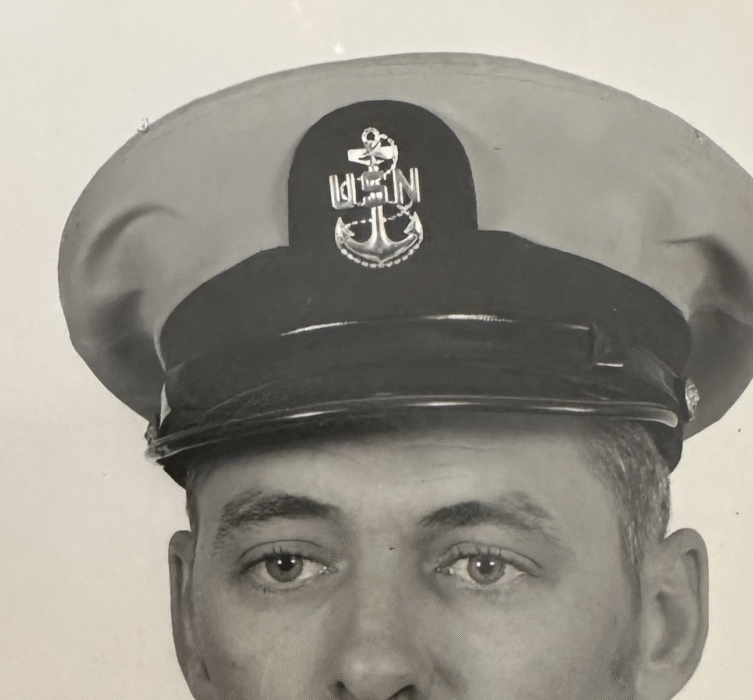
Photo credit: Donald Carreira Ching
Like other stories in the collection, especially those that follow “Other Options,” “Danger Close” ends at a moment of uncertainty.
For those looking for an answer to what happens after that last line, the next story in the collection, “What Now?”, may offer a possible resolution with the appearance of the narrator’s father-in-law. Are they the same character? They could be, and that’s the point.
Although the stories in the collection are not explicitly linked, they each draw from and take place in the same setting (same with Between). The overall construction of the collection aims to function as a mosaic or spatial structure, creating what Jane Alison would refer to as “interesting agitations.” I hope those agitations add to the depth of the experience.
Photo credit: Donald Carreira Ching
Unrelated, but because this blog series focuses a lot on the writing process behind the collection, a fun fact about “What Now?” is that it was originally written in second person. The editor of Every Day Fiction suggested the POV change, and I thought it worked a lot better.
More soon,
Donald
Talk story